

%201.svg)









5 Takeaways from TFGM 2026 for Everyone Who Wasn't There
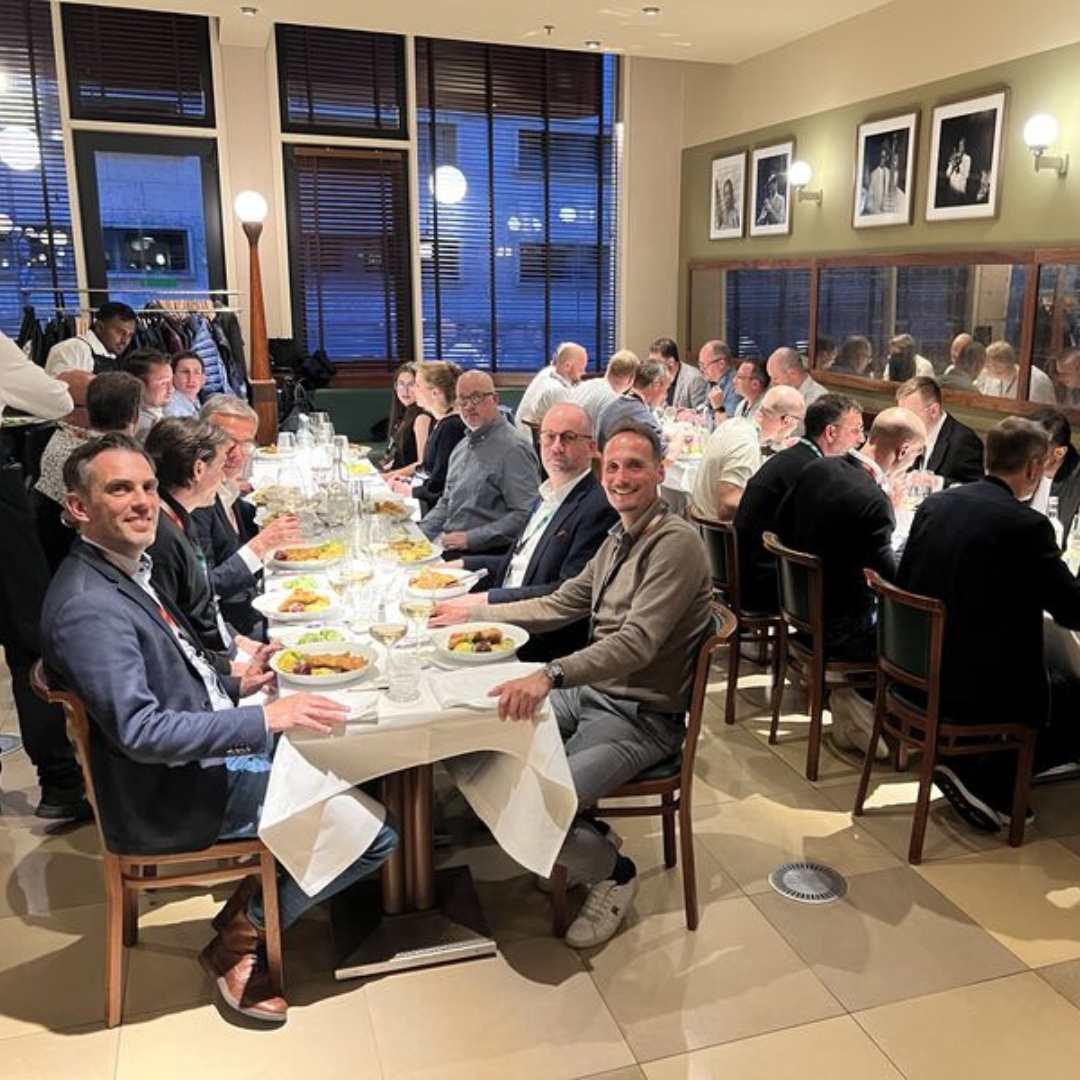
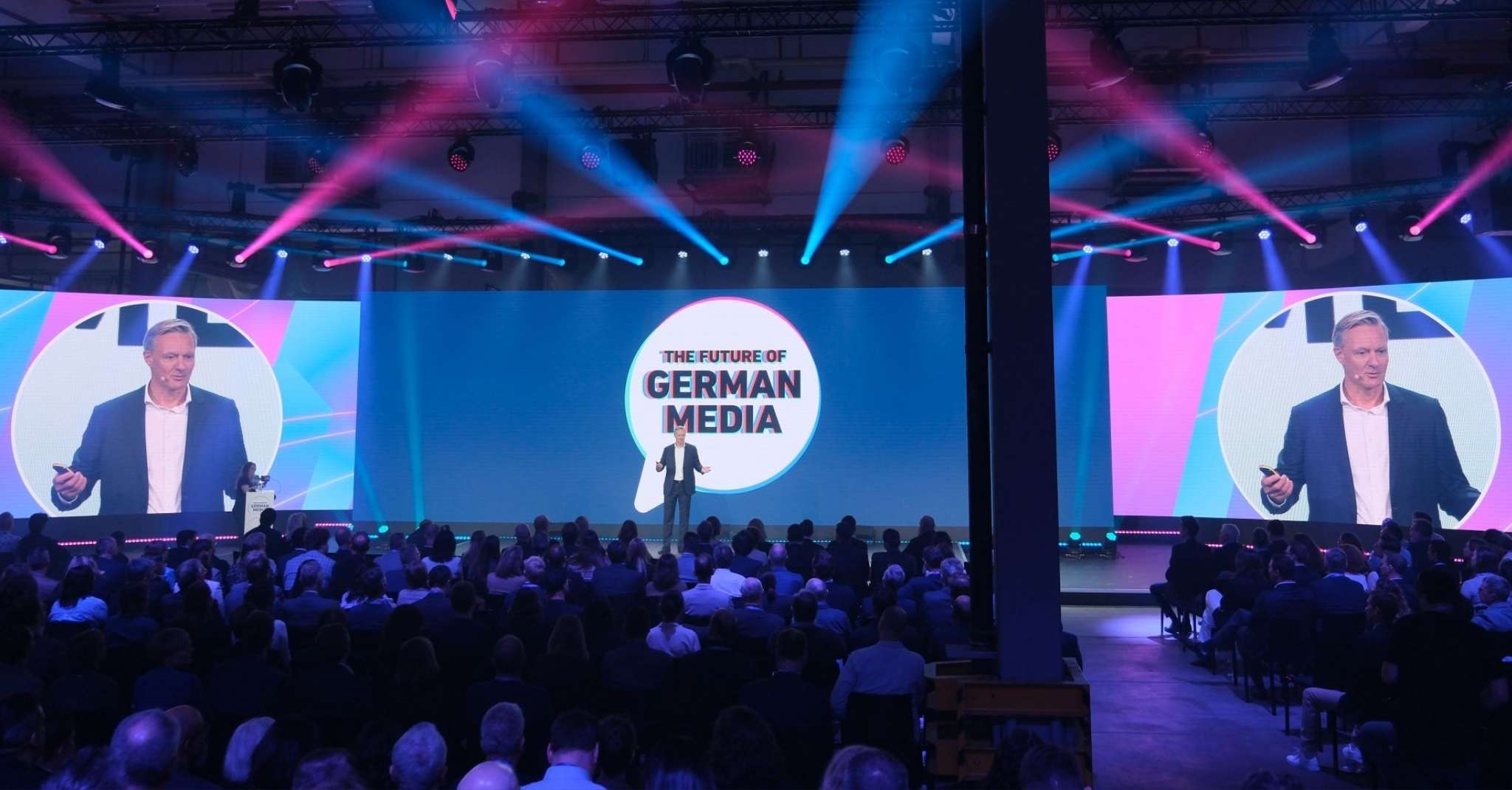
Alte Druckerei Hannover, 700 attendees, two days of deep dives, keynotes, panels, and a great many conversations in between. I attended The Future of German Media summit together with Hauke Berndt, CEO of our partner ppi Media, at a joint booth. Two days that served as a solid barometer for where the industry actually stands.
What I took away wasn’t so muchindividual product news. Rather, five observations that show what publishersare really focused on right now.
1. The Industry Knows It’s Serious. Now It Needs to Pick Up Speed.
Thomas Düffert opened thesummit with a keynote that left nothing to interpretation. His core message:print will no longer be enough to finance journalism for much longer. Thewindow for building viable digital business models is open now. Düffert calledit “crunch time” and put it like this: the next three to five years willdetermine the next three to five decades in journalism. Strong, trusted mediabrands are the decisive success factor. He was critical of the current mediapolicy landscape in Germany, calling it a transformation risk.
My assessment: the awareness isthere. So is the willingness to change. What’s often still missing is executionspeed. Many publishers know where they need to go. But internal processes,structures, and decision-making paths don’t always keep up with what the marketdemands.
2. AI Is Infrastructure, Not an Experiment
The tone in Hannover wasdifferent from a year ago. Less wonder, more practice. The experimentationphase is over in many organisations, and the publishers furthest ahead havetreated AI as infrastructure, not as a project.
Three examples stood out.Louisa Riepe from Neue Osnabrücker Zeitung reported that NOZ has been workingwith AI for five years and now uses regional AI bots for reader engagement.Markus Knall from Ippen.Media described building an AI-powered production pipelinethat enables content that wouldn’t have existed without the technology. AndStefan Betzold from Bauer Media showcased TONI OS, a publishing platform thatintegrates generative and agentic AI directly into editorial workflows.
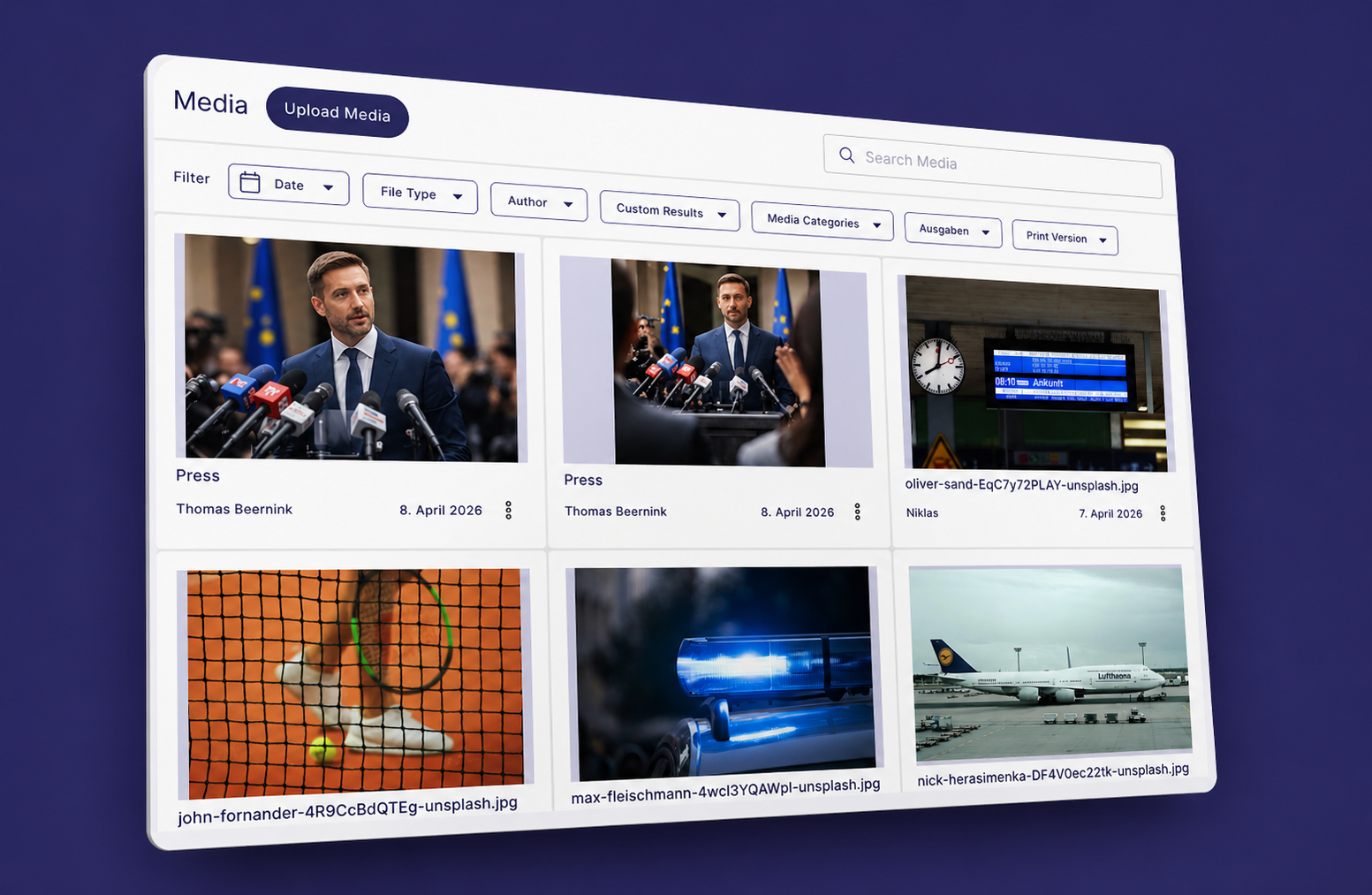
Ezra Eeman, Strategy andInnovation Director at NPO and lead of the WAN-IFRA AI in Media initiative,raised a point that is still underrepresented in many conversations: thestrategic question is no longer how AI enters your newsroom, but how yourcontent remains visible in AI-driven environments. That strikes a nerve. If AIsystems increasingly become the first point of contact between audiences andinformation, internal workflow optimisation alone won’t suffice. You need anarchitecture that delivers content outward in a structured way. And that’sexactly where the question of open interfaces and API-driven approaches, likethe ones Purple offers, becomes very concrete.
3. Journalism Needs to Get Closer to People Again
The panel “Journalismus, naund?” was, to me, the sharpest self-criticism of the entire summit. MartinMachowecz (Die Zeit), Stephan Lamby, Julia Reuschenbach (University of Hamburg)and Oliver Hollenstein (WAZ), moderated by Eva Quadbeck (RND). The commonthread: journalism in many places has drifted too far from people’s realities,become too opinion-driven, and too disconnected from its audience.
Hollenstein put it bluntly: toooften, journalists chose to write the quick headline from their desks insteadof going out to meet people. Victoria Reichelt, who co-moderated the summit andworks for the ZDF format Funk, emphasised: people follow people, not mediabrands. Especially among younger audiences. Machowecz shared how Die Zeitdeliberately develops its journalists into personal brands, strengtheningcredibility and loyalty in the process.
Sarah Brasack from KölnerStadt-Anzeiger showed what that looks like in practice: regular communityevents for 150 to 170 people that also serve as a new revenue stream.
My assessment: technology hasto start right here. When automation takes over routine tasks, it createsspace. The question is what newsrooms use that space for. The next optimisationloop, or genuine proximity to their audience.
4. Platform Architecture Is Becoming a Competitive Factor
A thread running through thedeep dives and many conversations: publishers are increasingly thinking inecosystems rather than CMS comparisons. The question “Which CMS do you use?” isgiving way to “What does your architecture look like?”
In the deep dive “ScalingPlatforms for Relevant Journalism,” the focus was on modular systems, cloudagnosticism, and avoiding vendor lock-in. Johannes Horak from jambit presentedapproaches to scalable, independent IT infrastructure. The efficiency trackmade clear that incremental print automation alone is no longer sufficient.Anyone serious about format convergence and multichannel scaling needs systemsthat connect digital-first and print in a single, end-to-end workflow.
That aligns with what we keephearing in our conversations. Publishers are looking for solutions that fitinto existing landscapes rather than replacing them. Clear roles, cleaninterfaces, long-term scalability. That’s exactly the approach we demonstratedtogether with ppi Media at our joint booth.
5. The Integration of Technology and Editorial Work Decides Everything
When I bring together thedifferent strands of the summit, everything leads to one point: the question isno longer whether publishers use technology, but how deeply it is integratedinto editorial work.
In the subscription space, itbecame clear: growth comes from relationships, not reach. Greg Piechota fromINMA and Gard Steiro from Verdens Gang showed how successful subscriptionmodels are built on consistent customer focus. In advertising, the tone wasequally sober: simply serving more ads is not a strategy when it degrades theuser experience.
And when it comes toAI-generated content, quality control, editorial accountability, andtransparent processes are essential. Düffert’s formula “Trusted Brands are ourFuture” applies here too. Speed alone is not enough if credibility falls by thewayside.
Faster content cycles combinedwith credibility and editorial standards, that only works with integratedsolutions that bring efficiency and journalistic quality together. Not aneither-or.
Conclusion
The industry is not at thebeginning of its transformation. It’s in the middle of execution. Hannovershowed: less waiting, more pragmatism, more willingness to collaborate. That’sencouraging.
A big thank you to the MADSACKteam for the excellent organisation, and to everyone who took the time for openconversations. I’m curious which of the Hannover conversations will have turnedinto concrete projects by next year.
Want to learn more about thejoint approach from Purple and ppi Media? Find all detailsabout the partnership here or book a meeting with me.